


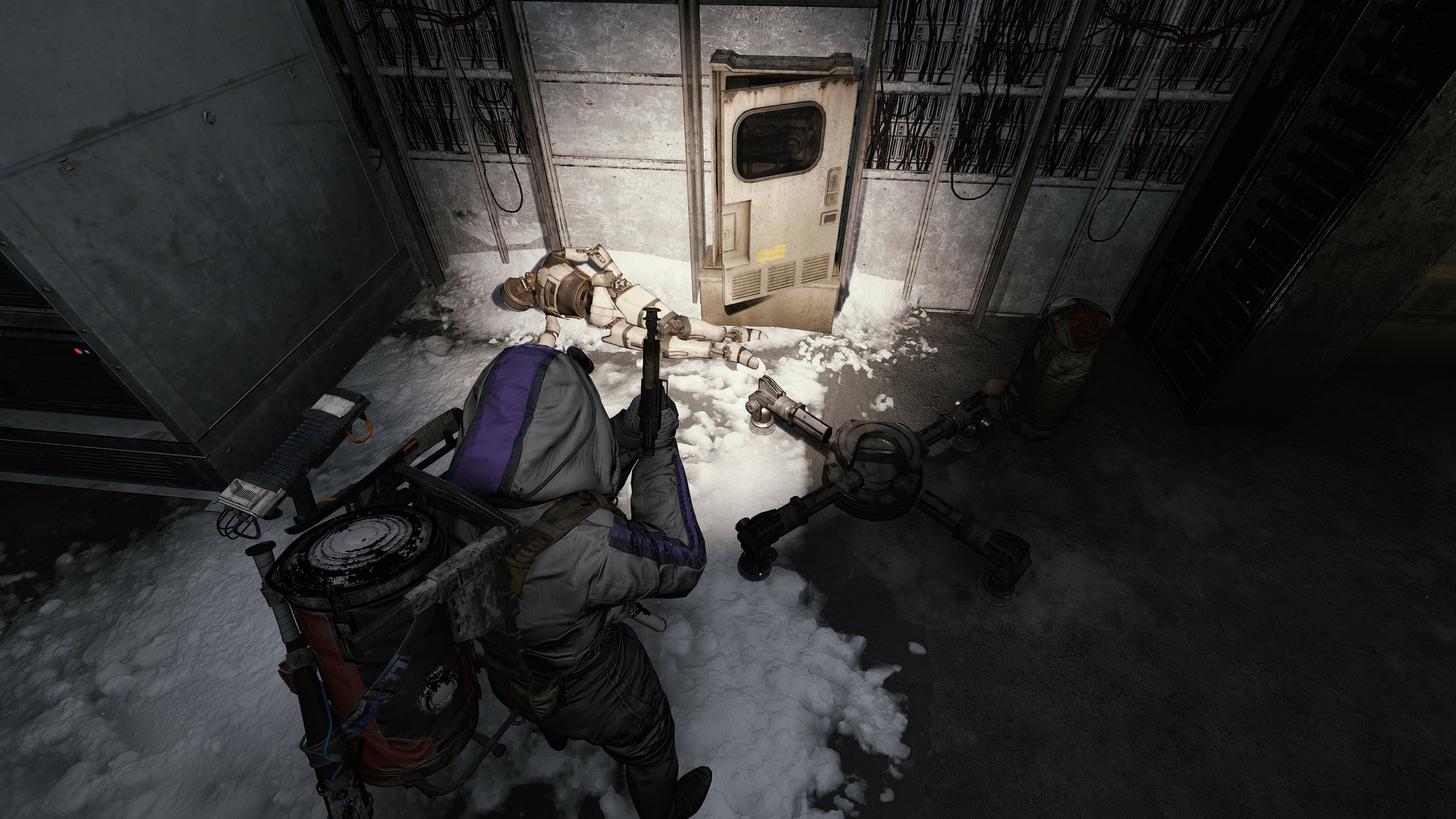
In Arc Raiders, close-range encounters expose the true character of a weapon. Damage numbers and attachments matter less when space collapses and reaction time shrinks. What decides survival in these moments is weapon handling feel—the way a gun responds under pressure. Recoil behavior, recovery speed, reload timing, and movement penalties all shape how a weapon performs when there is no room to disengage. Players who misunderstand this often blame missed shots or bad luck, while the real issue lies in how their chosen weapon behaves when panic sets in. Close-range combat is not about raw power, but about control.
Why Close-Range Combat Amplifies Handling Weaknesses
At distance, weapon flaws can be masked by patience and positioning. In close quarters, every weakness is amplified. Heavy recoil disrupts tracking, slow handling punishes hesitation, and long reloads remove all margin for error. Players entering tight spaces with weapons unsuited for fast response often lose fights before the first shot lands. The encounter feels unfair, but the outcome was decided by equipment choice and familiarity. Close-range combat strips encounters down to their fundamentals, where handling characteristics matter more than theoretical effectiveness.
Handling Feel Shapes Player Confidence
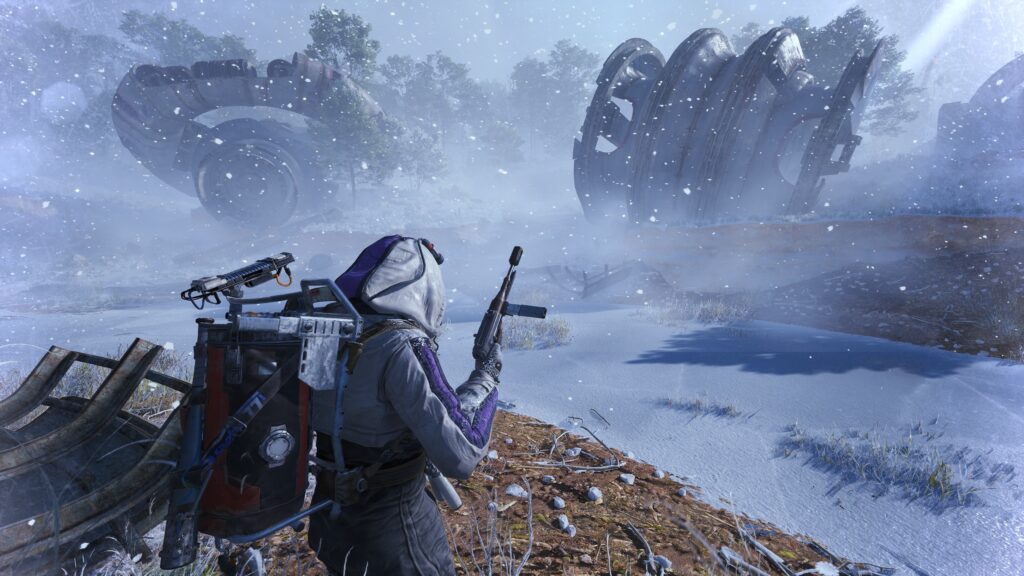
Weapon handling directly affects player confidence in confined fights. A weapon that snaps into aim quickly and recovers predictably encourages decisive action. Players move with intent, push angles, and commit when opportunities appear. In contrast, weapons with sluggish response or erratic recoil create hesitation. That hesitation slows decision-making and invites mistakes. Confidence is not psychological alone—it is mechanical trust built through repeated use. Players survive close-range encounters more often when they trust how their weapon behaves under stress.
Micro-Delays That Decide the Outcome
Close-range encounters are decided by micro-delays players rarely notice consciously. The fraction of a second spent recovering from recoil, the brief pause after sprinting, or the delay between empty magazine and reload completion can all end a fight. Weapon handling feel determines how often these delays occur. Players with poor handling awareness often find themselves locked into animations or misaligned after firing. Survivors avoid these moments by choosing weapons that allow continuous control, even when movement and firing overlap.
Handling Traits That Matter Most Up Close
Certain handling traits consistently determine success in tight engagements.
- Fast aim readiness after movement
- Predictable recoil that allows correction
- Minimal reload vulnerability
- Stable performance while strafing
These traits preserve agency when reaction time is limited.
Why Familiarity Outperforms Optimization
In close-range combat, familiarity with a weapon often matters more than optimal stats. Players who deeply understand a weapon’s handling compensate instinctively for its limits. They reload earlier, adjust aim without thinking, and position themselves to avoid worst-case scenarios. Players chasing perfect loadouts without learning handling behavior enter fights unprepared. Survival favors those who know exactly how their weapon will respond when there is no time to adapt.
Conclusion
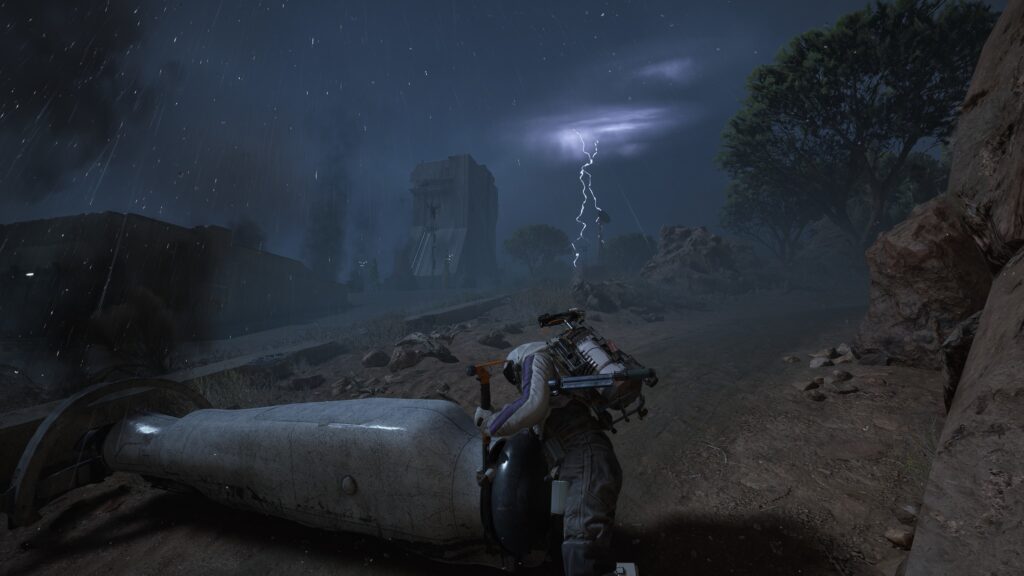
Weapon handling feel defines close-range encounters in Arc Raiders by shaping control, confidence, and timing. When space disappears, players rely on instinct and muscle memory rather than planning. Weapons that support fluid action turn chaos into manageable pressure, while poorly understood tools magnify mistakes. In tight fights, survival belongs to players who trust how their weapon behaves when every second matters.